Ignite Your Creativity: Fun Sewing Lessons for All Abilities and Experience Levels
Releasing creativity through sewing offers an accessible outlet for self-expression. Enjoyable lessons are designed for all skill levels, from novices to seasoned sewists. Each session introduces essential tools and techniques, fostering a supportive environment. Students can discover diverse projects that spark their imagination. As they progress, they may wonder how to further elevate their skills or remain inspired. This path inspires them to uncover what exists beyond the essentials.
Essential Tools Every Sewist Should Have
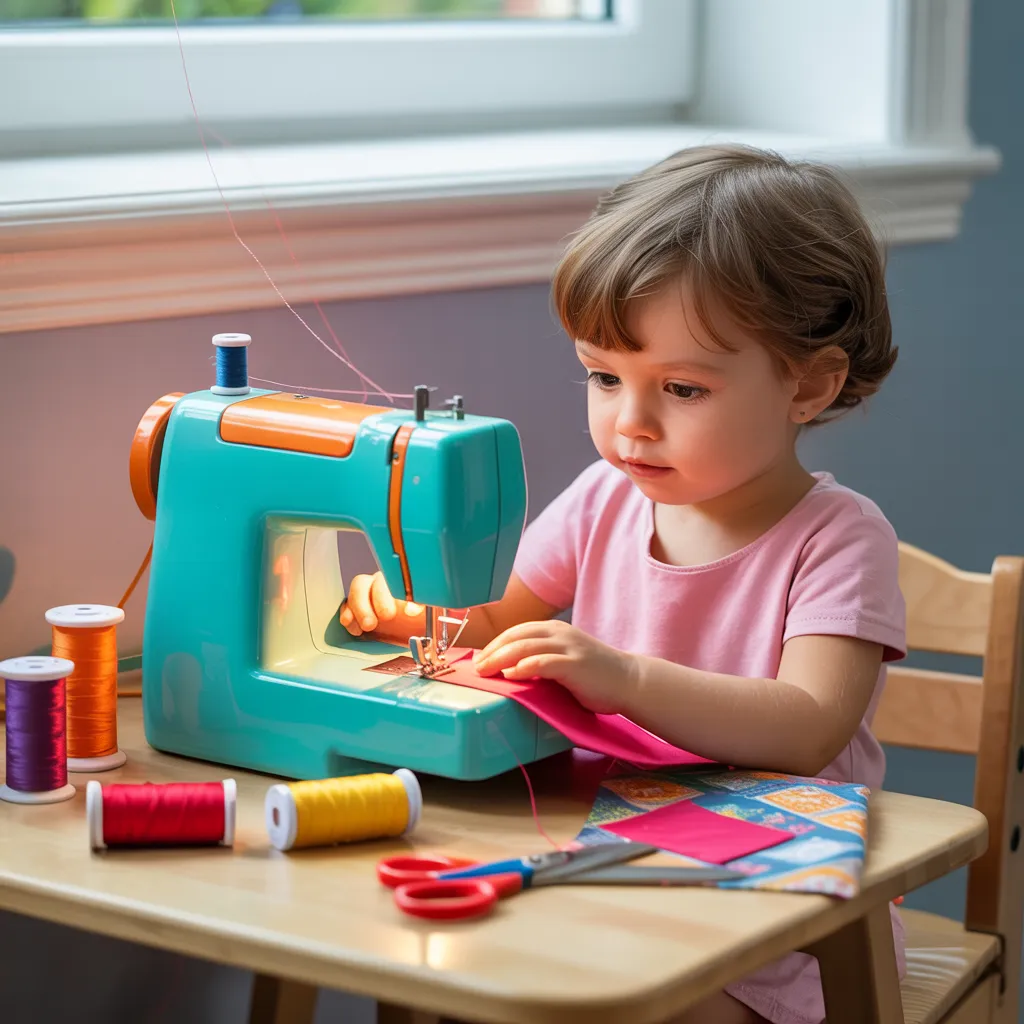
A properly stocked sewing kit forms the basis of every successful project. The right tools are crucial for maintaining efficiency and quality. Every kit centers around a dependable pair of fabric scissors, crafted to deliver precise cuts without fraying. Additionally, a rotary cutter offers precision for intricate designs. Measurement instruments, like a tape measure and a clear ruler, prove indispensable for ensuring accurate dimensions and proper seam allowances.
A pincushion and pins are indispensable for holding fabric in place, while a selection of needles accommodates various fabric types. Thread in multiple colors enables creativity and adaptability. A seam ripper, though often overlooked, is essential for fixing errors. Lastly, an iron and ironing board are fundamental for producing sharp seams and refined results. By assembling these fundamental tools, every sewist can begin their crafting adventure with enthusiasm.
Fundamental Sewing Methods for Beginners
Armed with the proper tools, newcomers can comfortably begin their sewing experience by mastering basic techniques. Core competencies like threading a needle, tying knots, and understanding sewing machine operations are crucial. Mastering the straight line stitch is vital, as it serves as the basis for more advanced work.
Those just starting out should also learn about different stitch types, like straight stitches and zigzag stitches, which fulfill different functions. Additionally, practicing proper fabric handling techniques, such as pinning and pressing, boosts both accuracy and overall finish.
Comprehending pattern reading and cutting fabric accurately is crucial for successful projects. Simple techniques like backstitching for reinforcement and using seam allowances can considerably elevate the standard of craftsmanship.
Stitching Projects to Fuel Your Creativity
Nurturing artistic expression through sewing activities can transform basic skills into artistic expressions. Taking part in a range of sewing activities gives sewers the opportunity to unleash their creativity while perfecting their craft. Straightforward creations like tote bags or decorative pillow covers make for ideal beginner projects, enabling sewers to experiment with fabrics and patterns.
For individuals looking for a challenge, patchwork quilts or customized clothing can ignite a deeper sense of creativity. These endeavors not only offer a sense of achievement but also welcome individual expression, like one-of-a-kind color schemes and embellishments.
Additionally, converting old fabrics into innovative creations inspires creativity and eco-consciousness, establishing sewing as a rewarding hobby that supports both artistic expression and ecological mindfulness.
Via these wide-ranging projects, people can uncover their personal tastes and refine their unique style, ultimately fostering a greater appreciation for the art of sewing. These pursuits can spark additional discovery and innovation along the sewing path.
Advanced Sewing Skills to Enhance Your Craft
Enhancing skills in sewing requires mastering advanced foundational techniques that enhance both usability and appearance. These skills allow sewists to create pieces and projects that demonstrate a superior standard of skill. An important approach is the application of darts and pleat methods, which can discover this manipulate fabric to suit the body with greater precision. In addition, learning to expertly attach zippers can elevate simple patterns into polished pieces.
Another valuable technique is working with bias edge binding, which delivers smooth, refined edges on different types of projects. Sewists can also experiment with different stitch types, such as ornamental or zigzag stitch patterns, to introduce creative embellishments. Mastering the art of precise buttonhole creation not only improves functionality but also enhances the overall look of a project. By integrating these advanced foundational methods, sewing enthusiasts can take their creations to the next level, resulting in greater quality and aesthetically pleasing finished pieces.
Expert Techniques to Perfect in Sewing
Within the realm of sewing, developing advanced techniques is crucial for those seeking to elevate their abilities. Key areas of focus include exact pattern cutting, advanced stitching methods, and creative fabric manipulation methods. These factors not only elevate the quality of the completed work but also extend a sewist's creative potential.
Accurate Pattern Cutting
Although many sewers focus primarily on fabric and stitching, developing precision pattern cutting skills is just as important for producing professional-quality garments. This approach entails precisely measuring and cutting patterns to secure accuracy and consistency, which directly influences the final fit and appearance of the garment. Precision pattern cutting requires not only the right tools, such as sharp rotary cutters and rulers, but also a keen eye for detail. Sewers must learn to account for seam allowances and fabric grain, which can greatly affect the outcome. Through consistent practice of these techniques, sewers can enhance their craftsmanship, producing garments that are not only refined in appearance but also perfectly fitted. At its core, precision in pattern cutting forms the basis for achieving success in sewing projects.
Superior Stitching Strategies
Excelling in expert needlework approaches converts everyday sewing endeavors into remarkable works of artistry. Such methods, including the use of a double needle for parallel stitching, improve the aesthetic quality and strength of garments. Furthermore, mastering techniques such as French seams and flat-felled seams elevates the finish, offering a refined detail that many crafters aspire to achieve. Integrating ornamental needlework, like zigzag or heirloom stitching, can add unique flair to any project while providing practical benefits. Grasping the intricacies of tension adjustments and thread types additionally enhances the sewing experience, allowing crafters to attain their intended outcomes reliably. By embracing these expert methods, crafters can expand their abilities, thereby increasing their artistic potential and enhancing their needlework pursuits.
Fabric Manipulation Strategies
Examining fabric manipulation strategies enables artisans to enhance their creations through inventive approaches that enrich shape and texture. Methods such as pleating, gathering, and tucking allow sewers to introduce dimension and complexity to their work. Moreover, fabric layering and draping can produce captivating silhouettes, while practices like smocking and quilting offer both functional durability and visual interest. Skilled crafters may also experiment with approaches like bias-cutting to change how the fabric drapes, or apply thermal manipulation to create one-of-a-kind finishes. By mastering these strategies, individuals can considerably improve their sewing projects, facilitating personal expression and artistic flair in each stitch. Incorporating these approaches not only broadens craft skills but also fosters artistic growth in the crafting journey.
Remaining Inspired: Guidance for Your Sewing Path
How can a sewist maintain motivation throughout their creative journey? Inspiration often ebbs and flows, highlighting the importance of fostering a positive creative atmosphere. Building relationships with other sewists through classes or virtual groups can generate innovative ideas and deliver valuable support. Furthermore, establishing realistic objectives can nurture a feeling of achievement and promote ongoing growth.
Examining various techniques and patterns can additionally keep passion for sewing vibrant, as experimenting with new materials or approaches may inspire new excitement. Frequently reviewing earlier creations can remind sewists of their growth and restore their enthusiasm.
Additionally, establishing a specific sewing area can offer a focused zone for crafting, free from distractions. To conclude, pausing when appropriate is crucial; disconnecting can bring about new outlooks. By adopting such methods, sewists can nurture their drive and embrace a enriching and exciting sewing journey.
Frequently Asked Questions
How Can I Fix Common Sewing Machine Issues?
To fix frequent sewing machine problems, one should inspect the threading, clear out the bobbin area, swap out worn needles, modify tension settings, and ensure proper fabric feeding. Consistent care can help avoid many problems developing.
What Kinds of Fabric Work Best for Beginners?
Cotton, flannel, and muslin are ideal fabrics for beginners. Such materials are manageable, mistake-friendly, and easy to find. The flexibility of these fabrics lets novice sewers experiment with multiple techniques without encountering excessive difficulties.
What Is the Best Way to Choose Sewing Patterns?
Picking the best sewing patterns requires evaluating skill level, project complexity, and personal style. Novices should opt for simple designs featuring clear instructions, while experienced sewists can venture into more intricate patterns that challenge their abilities and creativity.
Can You Sew Without Using a Sewing Machine?
Certainly, one can sew by hand without a machine. Sewing by hand offers precision and flexibility, making possible detailed and intricate work. Simple tools, including needles and thread, make a wide range of projects possible, making it accessible for all skill levels.
What Are a Few Environmentally Friendly Sewing Practices?
Environmentally conscious sewing techniques encompass incorporating organic textiles, repurposing materials, reducing waste with precise cutting techniques, selecting eco-conscious coloring methods, and using responsibly sourced thread. These methods encourage ecological awareness while fostering creativity and resourcefulness in needlework endeavors.